
Radio Station - Studio Webcams....
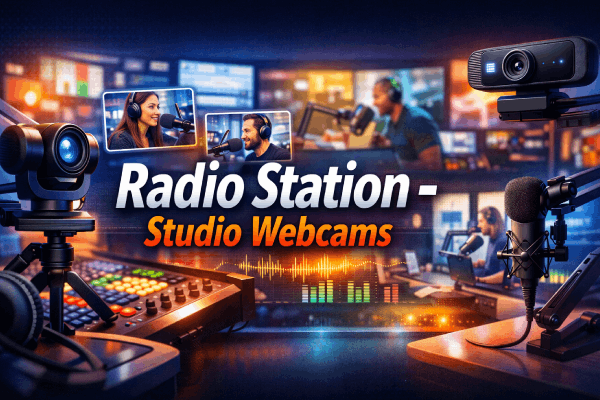
From Invisible Waves to Visible Studios: The Rise of Radio Webcams in the UK
Back in the old days of radio, think the 1920s and 1930s, radio was literally invisible. Lists of wavelengths, transmitters beaming out aural magic, and audiences sitting by their wireless sets listening without any idea what the studio looked like. The BBC started in 1922 with broadcasts from 2LO in London, and for decades the whole medium was strictly a sound-only affair.
Fast-forward several generations of tech innovation, and suddenly we find ourselves watching radio as much as listening to it. Welcome to the age of the webcam, a simple concept that gave listeners a peek behind the curtain.
Why Webcams on Radio?
It might seem a bit odd, radio is sound, right? but webcams on radio studios have served a handful of purposes:
Humanising presenters, seeing a familiar voice makes radio feel more personal.
Engagement, especially for breakfast shows or flagship programs.
Promotion & transparency, letting fans see what goes on in the studio.
The trend really picked up in the early 2000s and 2010s, as broadband speeds improved and streaming video became easier to embed on station websites and social platforms.
Interestingly, fan forums from around 2018 note that webcams were far more common in the early noughties than they are today, and many UK radio stations scaled back their feeds as listener habits shifted and production workflows changed.
A Few Key Milestones (and Anecdotes)
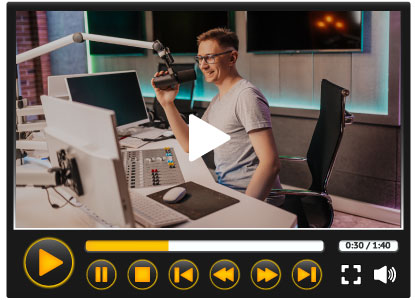
BBC Radio (Studio Cameras)
For years, several BBC radio stations had live camera feeds embedded on their sites, especially BBC Radio 1 and BBC Radio 2, so you could watch the DJs do their thing between tracks. These weren't just gimmicks; they were real time windows into one of the UK's biggest broadcast operations.
At one point, BBC Radio 5 Live offered a multi-camera livestream that automatically cut between angles based on which microphones were live, a genuinely clever bit of automation. The BBC eventually removed this full webcam feed from its site (around 2020) in response to usage patterns and editorial decisions, but retained video coverage for special events.
The BBC also has internal guidelines about webcam use in studios, reminding producers to give presenters and guests fair warning when cameras are active, underlining how much more complex this is than just sticking a USB camera on a mic stand.
Examples of UK Radio Station Webcams
Here's a sampling of webcams that either have existed or do exist as you read this:
Amber Sound FM — Ripley, Derbyshire
A classic community radio station with webcams embedded on its station page, a nod to the grassroots era of webcams that bring local studios to life.
Blast 1386
Blast 1386 was the student Radio Station for the Reading College. Blast 1386 was on air 7 days a week, 365 days a year.
Capital FM — Leicester Square, London
One of the big commercial stations in the UK that used to run a live studio camera feed showing presenters and guests in the heart of London.
BBC Radio 2 & Radio 1 (Various Years)
While these feeds have changed over time, classic webcams from these flagship stations are legendary in radio geek circles, and older archive gadget apps even existed to view them.
Radio Frimley Park — Webcam Suite
Hospital radio with webcams of both its studios, capturing the volunteer energy behind the mics.
User Generated & Fan Streams
Various forums and enthusiast sites have linked to webcams over the years, from local shows to student radio setups, often capturing what listeners can't hear but might want to see.
So Why Aren't There More of Them Today?
A few reasons:
- Shifting habits: listeners favour apps and audio-only consumption.
- Production changes: voice tracking and remote presenting mean fewer studio feet on the floor.
- Privacy / editorial concerns: stations increasingly think about how cameras are used and what they capture.
In a nutshell, webcams extended radio into the visual world, giving a face to the voice. They were especially popular online in the 2000s and early 2010s as part of station websites and streaming nets.
Some big names, BBC Radio series, Capital FM, Amber Sound FM, either used them or still do.
Today they're less ubiquitous, but still a fantastic way to connect studios to audiences.
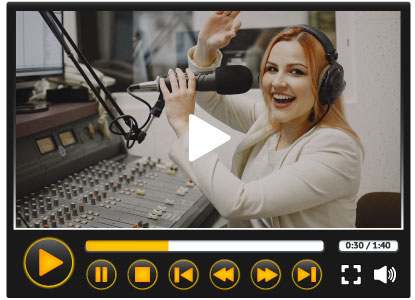
Live UK Radio Studio Webcams
These webcams are currently (or recently) live and streaming the inside of radio studios or feeds you can watch while you listen:
Bolton FM – Live Studio Webcam – Peek into this community station's studio action:
https://www.boltonfm.com/webcam-live
Centreforce Radio 883 Webcam – Watch the DJs and studio live as they broadcast:
https://ukradiolive.com/centreforce-radio-883/webcam
TalkRadio Webcam – See the hosts in action on TalkRadio’s live feed:
https://ukradiolive.com/talkradio/webcam
TalkSPORT Webcam – Watch talkSPORT’s studio while they cover sport and big personalities:
https://ukradiolive.com/talksport/webcam
GB News Radio Webcam – Live webcam from GB News Radio’s studio:
https://ukradiolive.com/gb-news-radio/webcam
Red Dot Radio – Webcam (Edinburgh) – Hospital/volunteer radio with a studio cam and office view:
https://www.reddotradio.co.uk/webcam.htm
Notes to Keep in Mind
These webcam links are indexed through third-party aggregators like UKRadioLive, which embed studio video streams when available, so what you see can vary in quality and uptime.
Not all stations maintain official webcams; some are community or enthusiast feeds.
Major broadcasters (e.g., BBC Radio) have historical webcam trails, but most have scaled down official publicly embedded studio cams due to editorial policies and privacy concerns.
BBC Radio Webcams Archive
Here is the BBC radio station webcam index page.All these webcams have now been turned off but it's interesting to have a look and see who was doing what.
Funny Radio Webcam
Here's what goes on in radio studios when the songs are playing. LOL
Thanks to Simon Rowe for the first video.