
History of April Fool's Day

April Fool's Day is a light-hearted and mischievous tradition celebrated annually on April 1st. It is a day dedicated to playing practical jokes and spreading harmless pranks on friends, family, colleagues, and sometimes even the public. The day has become a global phenomenon, with people in various countries participating in the fun.
Here's everything you need to know about this playful holiday:
History of April Fool's Day
The exact origin of April Fool's Day remains unclear, but there are several theories about how the tradition began:
Changing the Calendar
- One widely accepted theory links April Fool's Day to the calendar change in Europe. In 1582, Pope Gregory XIII introduced the Gregorian calendar, which moved the start of the new year from April 1st to January 1st.
- People who continued to celebrate the new year on April 1st were mocked as "April fools," and others began playing pranks on them. This practice gradually evolved into the annual tradition of pranks and jokes.
Roman and Medieval Origins
- Some believe that the tradition dates back to ancient Roman festivals, such as the Hilaria (March 25), during which people would dress in disguises and play tricks on one another.
- In Medieval Europe, there were also festivals like The Feast of Fools, where roles would be reversed, and mischief was encouraged. This could have been a precursor to modern-day April Fool's pranks.
The Vernal Equinox
- Another theory ties the holiday to the Vernal Equinox (March 20 or 21), the first day of spring in the Northern Hemisphere. On this day, nature itself was thought to "fool" people with unpredictable and chaotic weather, which could have led to the tradition of playing jokes as a reflection of this capricious time.
Despite these theories, the true origin of April Fool's Day remains elusive, and it seems that the tradition evolved over time from various cultural and seasonal practices.
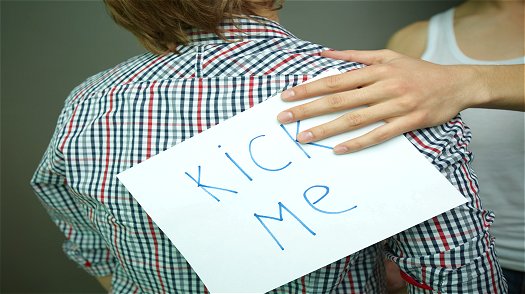
April Fool's Day Traditions and Customs
- Pranks and Jokes: The core of the celebration revolves around playing tricks on others. These pranks are typically harmless and light-hearted, designed to surprise or confuse people, often in humorous ways.
- Classic pranks include things like swapping sugar with salt, putting plastic wrap on doorways, setting up fake spider webs, or making people believe in fictional news stories.
- "April Fool!": When the prank is revealed, the prankster typically shouts "April Fool!" as a signal that the joke has been played and that it was all in good fun.
- Media Involvement: Over the years, newspapers, websites, radio stations, and even TV networks have joined in the fun by publishing fake or satirical stories designed to trick the public. For example, companies might announce fictional products, and news outlets might run humorous or exaggerated stories that are later revealed to be pranks.
Famous April Fool's Day Pranks
April Fool's Day is known for some memorable, large-scale pranks, often involving media outlets or big companies. Here are a few famous examples:
- The Spaghetti Harvest (1957): The BBC aired a segment showing Swiss farmers "harvesting" spaghetti from trees. The prank fooled many viewers into believing that spaghetti grew on trees, as pasta was not as widely known in the UK at the time.
- Taco Bell's Liberty Bell (1996): Taco Bell announced that it had purchased the Liberty Bell in Philadelphia and was renaming it the "Taco Bell Liberty Bell" to promote its brand. The public's reaction was initially disbelief, and the prank received widespread attention.
- Google's "Gmail Paper" (2007): Google announced a new service called Gmail Paper, promising to print out all emails and deliver them to users' homes. The concept was humorous and outlandish, and it turned out to be an April Fool's joke.
- Google's "Google Nose" (2013): Google promoted a fictional feature called Google Nose, which claimed to allow users to search and smell different scents through their devices. This was a classic, funny prank by one of the biggest tech companies.
How to Play a Good April Fool's Prank
- Keep It Light and Harmless: The spirit of April Fool's Day is all about fun, so make sure your pranks are light-hearted and do not cause any harm, distress, or embarrassment to others.
- Be Creative: The best pranks often involve cleverness and surprise. Think of ways to catch people off guard or confuse them in humorous ways.
- Know Your Audience: Some people might not enjoy being the butt of a joke, so it's essential to consider the personalities and preferences of those you're pranking. Pranks should always be in good spirit.
- Reveal the Joke: After a prank is pulled off, it's important to reveal that it was a joke. This helps avoid confusion or frustration and ensures that everyone laughs together.
Global Celebrations
While April Fool's Day is most widely recognised in countries like the United States, United Kingdom, and Canada, the tradition of playing pranks on April 1st is celebrated in various countries around the world, though it may go by different names or have slightly different customs:
- France: Known as "Poisson d'Avril" (April Fish), children in France often tape a paper fish to the backs of their friends, and the prank is revealed by shouting "Poisson d'Avril!"
- Italy: Similar to France, Italians celebrate "Pesce d'Aprile" (April Fish), where children and adults play tricks involving fish-themed jokes.
- Spain and Latin America: Known as "Día de los Santos Inocentes," this day is similar to April Fool's Day and is celebrated on December 28th in Spanish-speaking countries.
- Scotland: In Scotland, the holiday is known as Hunt the Gowk Day, and pranks usually involve sending people on absurd or impossible tasks, known as "gowking."
The Role of Social Media and the Internet
In the modern age, social media and the internet have become crucial platforms for April Fool's pranks. Many companies, influencers, and websites use April 1st to create viral pranks:
- X, Instagram, and YouTube are often filled with humorous videos, fake announcements, and satire.
- Tech companies like Amazon, Spotify, and Netflix have joined in with their own April Fool's jokes, often creating fake features or bizarre products to fool their audiences.
Why We Love April Fool's Day
- Escapism and Fun: In the midst of daily routines, April Fool's Day offers a chance to embrace humour and break free from the seriousness of life.
- Shared Laughter: The day fosters a sense of collective fun, where everyone is in on the joke and can laugh together.
- Creativity: It encourages creativity and thinking outside the box to come up with funny and unexpected pranks.
- No Harm Done: When executed correctly, pranks help to bring people together in a spirit of fun, and everyone can laugh without hard feelings.
Conclusion
April Fool's Day is a day full of light-heartedness and humour, with its roots in historical traditions that have evolved over time. It's a chance for people around the world to engage in playful pranks and jokes, creating shared moments of laughter. Whether you're the prankster or the "April fool," the day is meant to be fun and whimsical, reminding us not to take ourselves too seriously.